
Why “everything can be changed” doesn’t mean everything should be changed
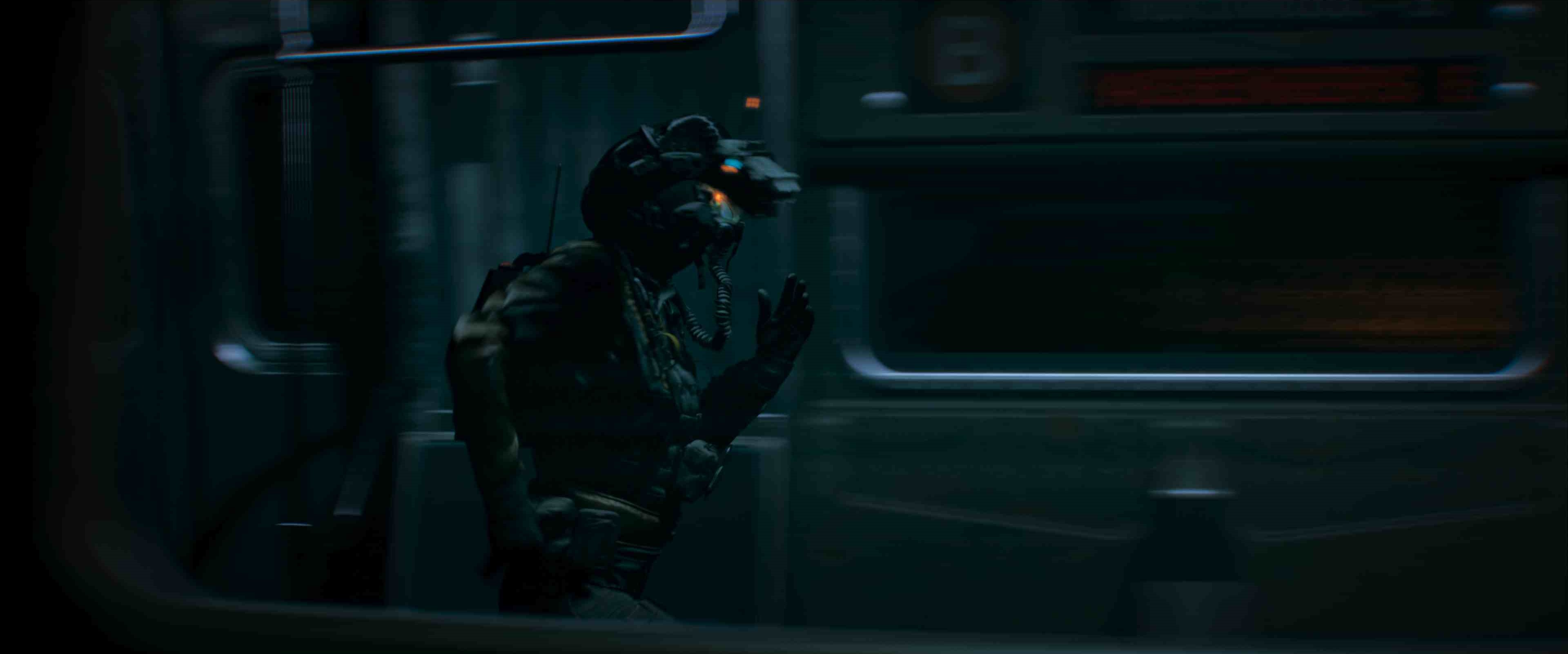
In recent years, Unreal Engine has become a major production tool not only for games, but also for film, advertising and cinematics. And for good reason. It gives teams real-time feedback, flexible lighting, fast camera iteration and a much more immediate way to evaluate a scene.
That creative freedom is a huge advantage. But it also creates one of the most common misunderstandings in production.
If something can be changed quickly on screen, people start to assume it is also cheap to change in production.
Unreal is powerful, but it is not a free-for-all
Clients often see how quickly a camera can be moved or an asset can be swapped and think:
- “Let’s try five more versions.”
- “Maybe that shot should be from a different angle.”
- “Can we just replace that asset? It’s only one click.”
Technically, yes, many of those actions are possible. Production-wise, they are rarely isolated.
Change the camera and you may need to revisit animation, lighting, FX and composition. Replace an asset and you may create rigging or interaction issues. Move a scene and you can end up reworking materials, layout, atmosphere and shot continuity.
What looks instant on screen often means hours or days of work for the team behind it.
A pipeline is not a playground
Whether the work is fully offline or built in Unreal, there is one golden rule: each production stage needs an approval point after which it stops moving.
Without that structure, every project becomes vulnerable to late-stage changes that damage schedule, budget and quality.
The key stages that usually need to lock
- Blocking: layout, main staging and broad camera intent
- Camera fix: once approved, the framing stops changing
- Asset and animation fix: approved work is not casually replaced
- Lighting and FX fix: final polish begins only when the foundation is stable
This is not about reducing creativity. It is about protecting it. Good work needs momentum, and momentum disappears when every stage remains open forever.
Why real-time actually needs more discipline
Unreal does not remove the need for structure. If anything, it makes structure even more important.
Real-time tools make exploration easier. That is great at the start of a project. It becomes dangerous when the team is already deep in lighting, FX, polish and delivery.
The later a change happens, the more expensive and risky it becomes. That is true in offline CG, and it is still true in Unreal.
Flexibility is good. Endless iteration is not.
One of the best uses of Unreal is helping clients see strong options early. It is not an excuse to create countless versions forever.
In strong productions, the team is clear about three things:
- when it is time to explore
- when it is time to decide
- when it is time to move forward without going backwards
The client is part of the production system
Helping clients understand these boundaries is part of the job. Clear communication is not there to limit creativity. It is there so the project stays safe, the team stays focused and the work can keep improving instead of constantly restarting.
Final thought
Unreal Engine is an incredible tool. It allows faster iteration, more fluid decision-making and a more collaborative creative process. But none of that removes the need for project management, locked approvals and disciplined direction.
Not everything that can be changed should be changed.
Not everything that looks quick on screen is quick for the team.
And not every change is an improvement. Sometimes it is just a detour.
That is why smart use of Unreal is not only about technology. It is also about production maturity.