
How Much Does 3D Animation Cost? A Complete Guide for 2026
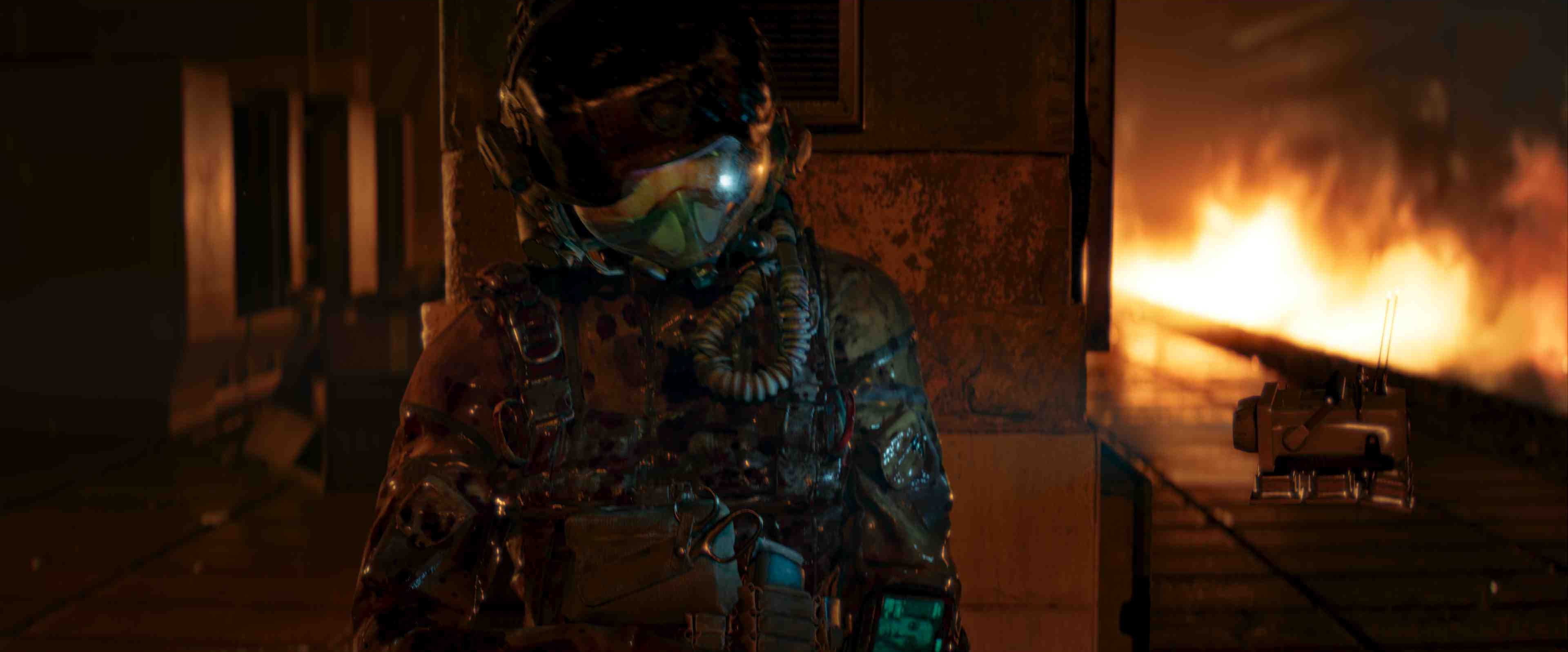
People love to imagine that 3D animation works like magic: you press a button, and out comes a shiny cinematic worthy of Pixar. If only. In reality, animation in 2026 is still a mix of art, technology, logistics, and a fair bit of budget anxiety.
So how much does it actually cost?
The short answer is the one nobody likes: it depends.
A fifteen-second teaser for social is one thing. A two-minute game trailer with motion capture, FX, sound design and feature-grade lighting is something else entirely. The bigger the ambition, the faster the budget moves.
What changes the price?
Runtime matters, but it is rarely the main driver on its own. Complexity is what really changes the shape of the budget.
- A stylised explainer with two characters in a simple world is relatively contained.
- A photoreal battle scene with smoke, destruction, crowds and hero lighting is a much heavier production.
- A real-time cinematic may save time in some areas, but it still needs direction, animation, lighting, FX and polish.
Assets also matter. If a client brings solid 3D assets, a lot of groundwork is already done. If everything has to be created from scratch, from environments to characters to lookdev, the schedule and the budget both expand.
And yes, real-time tools speed things up. Unreal is incredibly useful for previs, iteration and decision-making. But it is not a magic wand. One “quick” camera change can affect animation, lighting, FX, composition and editorial all at once.
The team is part of the cost
A freelancer can carry a small piece of content. A high-end cinematic trailer usually needs a full team: producer, director, storyboard artist, animators, FX artists, lighting, compositing, editorial, sound. More people means more cost, but it also means the work can actually be delivered at a premium level.
Typical budget ranges in 2026
Every studio prices differently, but as a practical guide, these are the kinds of ranges teams will keep running into in 2026:
- Simple animated content under one minute: $5,000 to $19,000
- Mid-range teaser or reveal work: $30,000 to $85,000
- Cinematic trailer with mocap, FX and original finishing: $80,000 to $250,000+
- Feature-grade virtual production or premium cinematic sequences: up to $500,000 per finished minute
That last number sounds aggressive until you have a large crew, heavy simulations, complex revisions and a high quality bar. Then it starts to make uncomfortable sense.
The hidden costs people forget
Headline numbers are easy. What usually catches clients off guard are the hidden passengers on the budget train.
- Original music and sound design
- Motion capture sessions, performers and cleanup
- Render farm or heavy simulation costs
- Project management and production supervision
- Late-stage revisions after key approvals should have been locked
Good production is one of the least glamorous line items and one of the most important. A strong producer often saves more money than they cost, because they keep the project from spinning out into endless change loops.
How not to blow the budget
The smartest way to protect a budget is not cutting corners. It is planning clearly.
- Define the creative target early
- Lock stages when they are approved
- Use previews to make decisions, not to endlessly explore alternatives
- Give feedback on time
Most budget disasters do not come from ambition. They come from lack of clarity.
So what is the real question?
In the end, the real question is not just “how much does it cost?” but “what is it worth?”
A strong cinematic can shape the way a game is perceived, generate millions of views, increase wishlists, support funding conversations or simply make a reveal unforgettable. Animation is not just moving pixels. It is hype, emotion and commercial leverage.
So yes, 3D animation in 2026 can cost anywhere from a few thousand dollars to half a million per finished minute. The better question is: what kind of return are you trying to create?